

A guide to understanding payment security and account verification
Account verification and payment security are intertwined in online casinos or gaming services. Know what information is being asked for during identity verification, where to submit it, and why—it’s necessary. Likewise, understand deposit and withdrawal procedures, receipts, limits, possible fees and avenues of support. It is not a safe practice to rush into another without knowing one part.
This article does not certify the security of any particular site. When reviewing a service like Moja7 Live the reader can apply the following general questions. Current published information, local laws and security of own device should be checked separately.
Understanding the purpose of identity verification
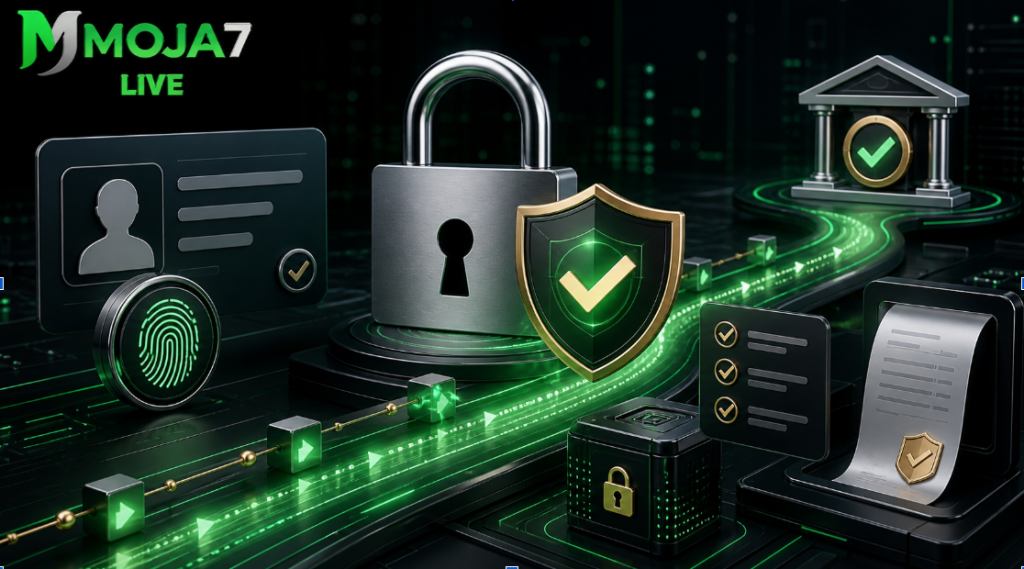
Identity verification can be linked to account, age, payment or local rules on a service. The user must first know what information is being sought and on which published page to submit it. Please read the privacy policy for information use purposes and support methods. Do not send documents to strangers’ phones or messages.
Do not manually enter the specified number unless the identity verification deadline, approval or result is published. Save the document submission date, references and messages received. If a person wants additional information, ask why. Ask questions on verified support channels if necessary.
Be careful before sharing any information
Passwords, security codes, PINs or complete payment information should not be given to anyone. Understand the destination address, purpose of the process and confidentiality measures if identification documents are required. Don’t send photos of personal documents on social media or chat with strangers. Even if you save a copy, keep it safe.
If someone asks for personal information in the name of “quick verification”, “special authorization” or “opening an account”, check with the published rules. Individuals using familiar names or logos may not be automatically approved.
Account password and login
Use a unique and strong password. Do not repeat passwords of other services. Avoid logins to public devices and logout when done. If there are additional security controls, understand their use and recovery procedures.
If you receive an unusual account login, password change or transaction message, contact the published helpline quickly. Do not click on links in unknown messages before changing your password. It is best to enter the web address manually.
Payment records and device security
Keep date, time, amount, method and reference on every record of deposit and withdrawal. View account history and payment service records. Do not send the same amount repeatedly if the status of the first transaction is not clear. Ask the problem in writing.
Keep device software updated, use screen lock and avoid unknown apps. Cover the necessary sections before sending screenshots of sensitive information to others. Match the message with the payment service name and the web address.
See withdrawal before deposit
It cannot be assumed that any procedure in deposit will be in withdrawal. Read ahead about minimum amounts, identity verification, promotion conditions, possible waits and fees. If you do not understand the current rules, postpone the decision to add money.
If necessary refer to the steps published in the information page like Moja7 Deposit Guide. Don’t add your own technology, certification or security claims that aren’t on the page.
Signs of suspicious requests
Pressure to send money quickly, requests for personal accounts, passwords or codes, unusual fees, unfamiliar links and promises to circumvent rules can be red flags. Save the copy, time and address without replying to such messages. Contact the published support channels yourself.
Verify information before making a complaint about an organization. But don’t send money until verified. A slow decision in a moment of doubt may be safer than a quick decision.
Security verification steps
- Match the domain and contact address.
- Read the purpose and destination of identity verification.
- Keep passwords and security codes secret.
- See withdrawal rules before deposit.
- Save receipts and references.
- Stop suspicious requests and get verified help.
Safety table
| Subject | What to verify | What to avoid |
| Identity | Purpose and stated destination | Documents in private chat |
| Login | Password and session control | Sharing a password |
| Payment | Procedure and receipt | Unknown account |
| Device | Updates and app sources | Unknown file |
| Assistance | Verified URL | Pressure for a quick fix |
General questions
Does identity verification require passwords?
Passwords or security codes should not be given to anyone. See what is asked for in the published instructions.
Why keep payment records?
In case of delay or query the matter can be clarified with date, amount and reference.
Unrecognized messages?
Enter the published web address manually without clicking the link and contact the verified support channel.
What is the most important before the deposit?
Withdrawals, checks, limits and understanding your budget.
Method of noting answers to security questions
Before opening the account, write down in a short note: what documents may be required, where to deposit, where to see the payment reference, what rules apply for withdrawals and what contact to use in case of problems. Enter the page address and date when the answer is published. This makes it easier to separate the old information from the new information later.
Mark unanswered questions clearly as “Unknown”. Don’t fill in by guessing. It is best not to make strong decisions unless there is a published security claim, storage policy or verification period. User shall retain control of their passwords, codes and documents.
Save the evidence and enter the self-published address if you receive a suspicious message. Refrain from replying by clicking on the link in the message.
Update the security plan regularly. Re-read previous limits and security questions before new devices, new payment methods or new communications.
Re-examination of security notes
Re-read previous security questions before new devices, new payment methods or new communications. See if addresses, privacy, identity verification and support paths are current. Don’t make decisions based on old screenshots.
If you receive an unknown message, open the published address yourself without clicking on the link. Do not send passwords, one-time codes or identity documents in private messages. Contact published support by keeping payment records.
Stop new deposits, change passwords and use bank or wallet published contact if you see an unknown session or payment in the account. Wait until the problem is resolved.
Use of security notes
Note the date of address, support page, payment reference and identity rules. Don’t fill in unanswered questions with guesswork. Hold off on sending passwords, money or documents until you get a response from the published source.
Final thoughts
The foundation of account verification and payment security is not less information, but correct information and correct destination. Keep passwords secret, understand the purpose of identity documents, keep payment records and stop unusual requests. Make sure you check current published rules, local laws and your own limits.
Read Also: The Zero-Friction Live Casino Ecosystem: 4K Streaming & Fast Payouts